Goods Elevators in Gujarat for Industrial & Commercial Use
Efficient material handling is the backbone of every successful industrial and commercial operation. From factories and warehouses to logistics hubs and production units, safe and reliable vertical movement of goods is essential for maintaining productivity and reducing operational delays. This is why Goods Elevators in Gujarat have become a critical requirement for businesses looking to scale efficiently while ensuring workplace safety.
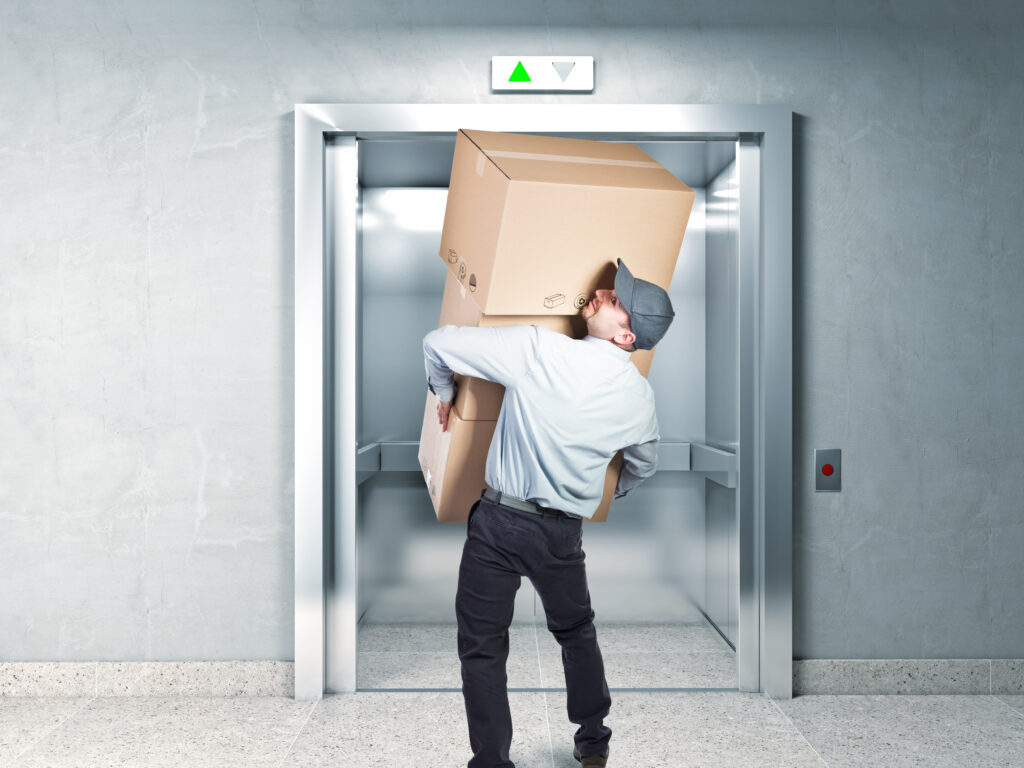
A well-designed goods elevator minimizes manual handling, reduces the risk of injuries, and ensures smooth transportation of heavy materials between floors. With Gujarat emerging as one of India’s fastest-growing industrial states, the demand for heavy-duty, durable, and safety-compliant goods elevators continues to rise across multiple sectors.
At Srinath Elevators, we provide robust and customized goods elevator solutions designed to meet the demanding requirements of modern industries across Gujarat.
What Makes a Reliable Goods Elevator?
A reliable goods elevator is built to handle continuous movement, withstand heavy loads, and perform smoothly under challenging industrial conditions. The most important features include:
Strong Load-Bearing Capacity
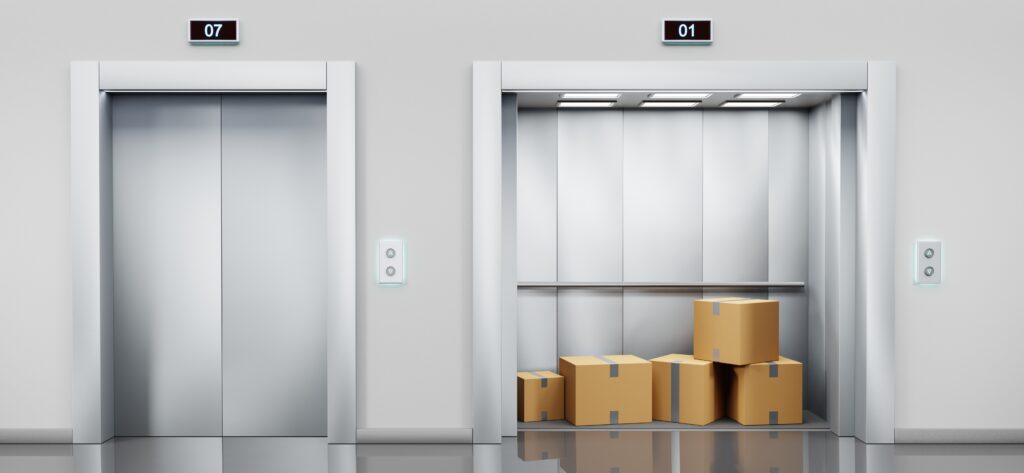
Industrial materials vary in size and weight. The best goods elevators are capable of lifting anywhere from 500 kg to 5000 kg or more, making them suitable for a wide range of industries including warehouses, factories, and production units.
Where Goods Elevators Are Commonly Used
- Manufacturing Industries
Manufacturing plants deal with continuous movement of heavy components, machinery parts, semi-finished goods, and raw materials. A sturdy goods elevator ensures safe, smooth, and efficient vertical transportation between production floors, improving output speed and reducing manual labour.
- Warehouses & Storage Units
Warehousing spaces require constant lifting of pallets, stocked cartons, packaged materials, and bulk inventory. Goods elevators enable quick and dependable material shifting across storage levels, ensuring better stock management and reducing handling time.
- Retail & Commercial Spaces
Large showrooms, malls, and commercial complexes often have separate back-end storage areas. Goods elevators help staff move products, restock shelves, and shift material without interrupting customer movement. This ensures faster inventory rotation and smoother store operations.
- Pharmaceuticals & Food Processing Units
These sectors require clean, controlled, and consistent transportation of materials. Goods elevators ensure hygienic handling of raw ingredients, packaging materials, and finished products while maintaining quality standards throughout vertical movement.
- Automobile Sector
Automobile plants and service centers rely heavily on goods elevators to transport engines, tyres, tool kits, body panels, lubricants, spare parts, and other heavy components. These lifts improve workflow efficiency and streamline production and repair operations.
- Construction Sites
Construction projects involve frequent movement of cement bags, tiles, tools, equipment, metal bars, and other building materials. Industrial goods elevators help shift materials quickly and safely between floors, significantly speeding up the construction process.
Why Goods Elevators Are Essential for Gujarat’s Growing Industries
Gujarat is one of India’s leading industrial hubs, with strong presence in manufacturing, pharmaceuticals, chemicals, logistics, engineering, textiles, food processing, and automobile sectors. World-class infrastructure, industrial corridors, smart cities, and investor-friendly policies have positioned Gujarat as a preferred destination for businesses.
As industries expand vertically due to space constraints and increased production volumes, efficient vertical material movement becomes essential. Manual handling is no longer practical or safe in high-volume, multi-floor operations. This is where Srinath Elevators’ goods elevators in Gujarat play a vital role by ensuring seamless logistics, reduced downtime, and improved operational efficiency.
Why Choose Srinath Elevators for Goods Elevators in Gujarat?
Srinath Elevators is a trusted manufacturer and supplier of industrial lifting solutions, offering customized goods elevators designed to meet diverse operational requirements.
- Gujarat-based manufacturing and installation support
- Custom load capacity, cabin size, and door configurations
- Compliance with Indian safety and quality standards
- Suitable for factories, warehouses, and commercial buildings
- Reliable after-sales service and maintenance support
- Designed for long-term performance with minimal downtime
Our focus is on delivering safe, efficient, and cost-effective material handling elevators that support industrial growth across Gujarat.
Architectural Compatibility & Customization Options
Modern industrial buildings require elevators that integrate well with different architectural structures. Whether it’s a conventional vertical lift system or a unique movement requirement, customized designs ensure seamless installation. For example:
- In hazardous environments, Flameproof Elevators in Gujarat are commonly used due to their safety compliance.
- In buildings requiring fire-resistant movement, Fire Proof Elevators in Gujarat are preferred for added protection.
- For structures built on slopes or unique angles, Incline Elevators in Gujarat support smooth movement without redesigning the building.
These examples show how various elevator types adapt to different structural layouts, ensuring smooth logistics regardless of building design.
Key Benefits of Using Goods Elevators
Investing in a well-designed goods elevator brings long-term value to any industrial or commercial operation. These elevators improve workflow, reduce delays, and increase safety—making them an essential part of modern infrastructure. Below is an expanded version of each key benefit to give your page depth, clarity, and strong SEO value.
1. Reduces Transportation Time
Goods elevators significantly cut down the time required to move materials between floors. Instead of relying on manual labor or unsafe temporary solutions, elevators offer fast, consistent, and controlled movement, allowing teams to focus on operations rather than handling physical loads. This helps companies meet production deadlines and ensures continuous workflow.
2. Improves Productivity
A streamlined vertical movement system directly impacts overall productivity. When materials reach the right floor at the right time, production lines run smoother, inventory can be replenished quickly, and workflow interruptions are minimized. Goods elevators ensure that every department receives materials on time, boosting the efficiency of the entire facility.
3. Enhances Workplace Safety
Heavy lifting and manual movement are major causes of workplace injuries, especially in industrial setups. Goods elevators reduce these risks by providing a safe and controlled lifting mechanism. With features like overload protection, interlocked doors, and anti-fall systems, they prioritize worker safety and help companies maintain compliance with industrial safety regulations.
4. Supports Multi-Level Industrial Operations
Industries often expand vertically due to limited land availability. Goods elevators make multi-level operations not only feasible but highly efficient. Whether it’s a warehouse with multiple storage levels or a manufacturing unit spread across floors, these elevators ensure smooth coordination and uninterrupted material flow throughout the building.
5. Provides Long-Term Cost Efficiency
While the initial investment in a goods elevator is important, the long-term cost savings are even more valuable. By reducing labor expenses, minimizing product damage, preventing delays, and ensuring operational continuity, goods elevators deliver excellent return on investment. Their durability and low energy consumption further reduce running costs.
6. Requires Minimal Maintenance
Modern goods elevators are engineered to operate with minimal maintenance requirements. With durable cabin construction, robust motors, and advanced control systems, they offer long-lasting performance. Regular inspections and basic servicing are usually sufficient to keep them running efficiently, reducing downtime and maintenance expenses.
7. Operates Smoothly Under Heavy Loads
Industrial environments demand systems that can handle intense workloads. Goods elevators are designed with heavy-duty components that allow them to operate smoothly even when carrying large, bulky, or uneven loads. This reliability ensures that vertical movement never becomes a bottleneck in operations, even during peak hours.
8. Ensures Safe Movement in High-Traffic Industrial Zones
In busy industrial zones where forklifts, workers, and equipment are constantly moving, coordinating material transport can be challenging. Goods elevators offer a dedicated vertical movement channel, keeping materials away from high-traffic areas. This ensures safe, organised, and collision-free transportation, improving workplace flow and reducing congestion.
FAQs
1. What is the capacity range of a goods elevator?
Most goods elevators support loads from 500 kg to 5000 kg, with options for higher capacities depending on industrial requirements.
2. How many floors can a goods elevator serve?
Goods elevators can serve 2 to 20+ floors, depending on building height and lift type.
3. Is a separate machine room required?
It depends on the elevator system. Hydraulic lifts often don’t require a dedicated machine room, while traction lifts may.
4. What are the safety features included in a goods elevator?
Common safety features include overload sensors, anti-fall mechanisms, emergency stops, auto-door interlocking, and safety brakes.
5. How often should a goods elevator be serviced?
Industrial elevators should ideally be serviced every 1 to 3 months, depending on usage intensity.
6. Which industries benefit most from goods elevators?
Manufacturing, pharma, warehouse, logistics, retail, chemical, and automobile industries commonly use goods elevators for daily operations.
7. Can goods elevators be customized for different building designs?
Yes. Cabin size, load capacity, speed, door type, and cabin materials can be customized to suit the building’s architecture and operational needs.
8. What is the ideal elevator type for heavy loads?
Hydraulic goods elevators are generally preferred for heavy, slow, and stable lifting, while traction elevators are chosen for speed and multi-floor usage.